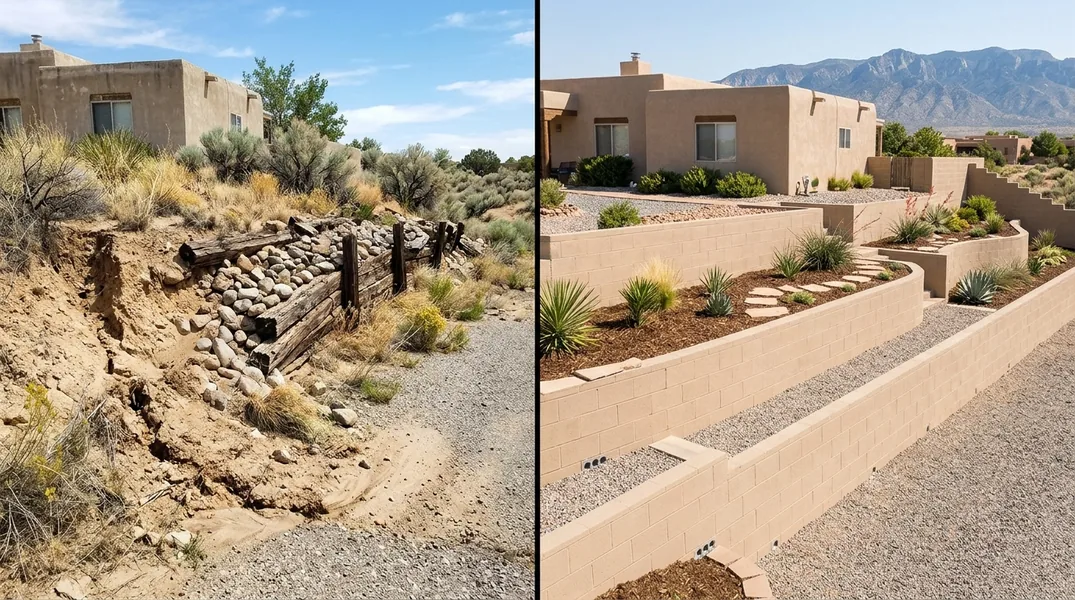
Retaining Wall Permit Albuquerque: The Short Answer
If you are planning a retaining wall on your property in Albuquerque, the first question is usually about permits. The short answer is that it depends on the wall's height and location. In most cases, a retaining wall that is 4 feet or less above the bottom of the footing does not require a building permit, but there are important exceptions. Walls that are taller than 4 feet, walls that support a surcharge (such as a driveway or building), and walls that are part of a larger grading or drainage project almost always need a permit.
Local rules can also vary depending on whether you are inside city limits or in an unincorporated area of Bernalillo County. Because the details matter, it is always smart to confirm with the local building department before you dig. A professional Retaining Wall Installation contractor can help you determine whether your project needs a permit and can handle the paperwork if it does.
Do I Need a Permit for a Retaining Wall? Key Factors to Consider
Whether you need a permit depends on more than just height. The purpose of the wall, the soil conditions, and the slope it holds back all play a role. A wall that holds back a small planting bed on a gentle slope is very different from a wall that holds back a steep hillside or supports a driveway. In Albuquerque, expansive soils and seasonal moisture changes can put extra pressure on retaining walls, so even a modest wall may need engineering if the site is challenging.
Another factor is drainage. Walls that block or alter the natural flow of stormwater may trigger additional review. If your wall is near a property line, an easement, or a drainage channel, the city or county may require a permit and possibly a grading plan. When in doubt, ask. A quick call to the building department or a conversation with a local contractor can save you from costly corrections later.
4 Foot Retaining Wall Permit: What the Height Limit Means
The phrase 4 foot retaining wall permit comes up often because 4 feet is a common threshold in many building codes. In general, a wall that is 4 feet or less from the bottom of the footing to the top of the wall may be exempt from a building permit. However, this exemption usually assumes the wall is not supporting a structure and does not have a surcharge. If the wall is taller than 4 feet, or if it holds back a driveway or building, a permit is typically required.
It is also important to understand how height is measured. The measurement is usually taken from the bottom of the footing, not from the finished grade. That means a wall that looks like 3 feet above ground could still exceed the 4-foot limit once you account for the buried portion. In addition, some jurisdictions measure height differently for terraced walls or walls on slopes. For a reliable answer, check with the local building authority or ask a professional who installs walls in Rio Rancho and the surrounding area.
Retaining Wall Height Limit and What Happens If You Exceed It
When a wall exceeds the local retaining wall height limit, the permit process becomes more involved. You may need stamped engineering plans, a soil report, and inspections at specific stages of construction. The height limit itself can vary by jurisdiction, but many codes set a threshold around 4 feet for exempt walls. Walls taller than that often require a permit and may need to be designed by a licensed engineer.
Exceeding the height limit without a permit can lead to fines, forced removal, or problems when you sell your home. It can also be a safety issue. Tall walls that are not properly designed can fail, especially in soils that expand and contract with moisture. If you are planning a wall that is close to the limit, it is worth getting a professional opinion early. A contractor can tell you whether your design is likely to require a permit and can recommend alternatives, such as terracing, that keep the project simpler.
Retaining Wall Installation Near Me: When to Call a Pro
Even when a permit is not required, retaining walls are not a simple DIY project. Proper installation requires compacted base material, correct drainage, and the right wall material for the site. In Albuquerque, the freeze-thaw cycles and expansive soils can shorten the life of a poorly built wall. A professional Concrete Retaining Walls installer can evaluate your slope, recommend the best wall type, and ensure the wall meets local requirements.
If you are searching for retaining wall installation near me, look for a local company that understands the permit process and can handle Retaining Wall Repair and Retaining Wall Replacement as well. A good contractor will also provide a clear pricing breakdown and help you understand whether your project needs a permit. To get started, call Albuquerque Retaining Wall at (505) 312-9278 or request a free estimate.
Retaining Wall Permit Process in Albuquerque: What to Expect
If your project requires a permit, the process usually starts with a completed application and a site plan showing the wall location, height, and materials. Depending on the scope, you may also need engineering calculations or a soil report. The building department will review the plans and may issue comments that require revisions. Once the permit is issued, inspections are typically required at the footing stage and after backfilling.
Timelines vary, but it is wise to budget several weeks for the permit process, especially during busy construction seasons. A local contractor can help you prepare a complete application and avoid delays. If you are in Los Ranchos de Albuquerque or Corrales, the requirements may differ slightly, so confirm with the appropriate jurisdiction. For help navigating the process, contact Albuquerque Retaining Wall at (505) 312-9278.
Looking for a professional retaining wall contractor in Albuquerque? Albuquerque Retaining Wall responds fast for all your retaining wall needs.
Get a Free QuoteOur services: Retaining Wall Installation · Retaining Wall Repair · Retaining Wall Replacement